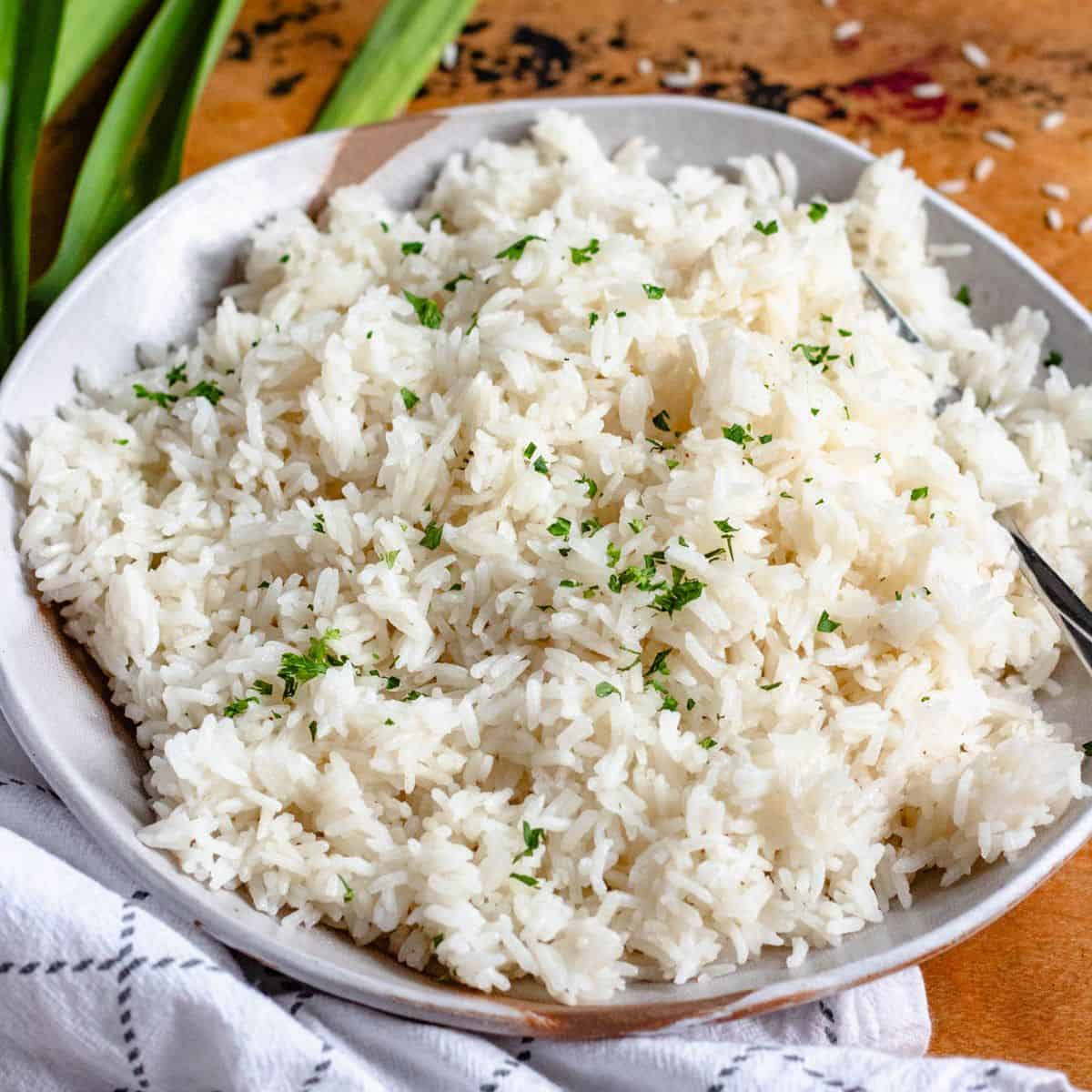
Coconut Rice: Your Passport to Flavorful Feasts
Imagine a dish so subtly sweet, so fragrantly rich, and so incredibly versatile that it effortlessly elevates almost any meal, from a quick weeknight dinner to an elaborate culinary spread. That's the magic of
coconut rice. Far more than just a simple side, this beloved staple, popular across many parts of the world, brings a unique depth of flavor and a luxurious texture that transforms the ordinary into the extraordinary. Forget bland, uninspired rice;
coconut rice is a flavor journey in itself, capable of complementing robust savory mains or transforming into a delightfully simple sweet treat.
Unlike its purely sweet cousin, Thai-style mango sticky rice, this particular iteration of
coconut rice strikes a perfect balance. It’s neither overwhelmingly sweet nor strictly savory, making it a culinary chameleon that adapts to your menu. Whether you’re seeking a comforting counterpoint to a spicy curry or a delicate base for tropical fruits, learning how to master this dish will open up a world of delicious possibilities. And the best part? Achieving restaurant-quality
coconut rice at home is far simpler than you might think, taking just a handful of ingredients and a few expert techniques.
The Irresistible Allure of Coconut Rice: More Than Just a Side
What makes
coconut rice a standout? It’s all in the nuance. The natural sweetness of coconut milk is carefully amplified by a touch of sugar and then perfectly balanced by a pinch of salt. This creates a symphony of flavors that is both comforting and exotic. The infusion of coconut milk also lends the rice a wonderfully creamy yet fluffy texture, with individual grains retaining a delightful chewiness. It’s this unique combination of flavor and texture that makes it such a sought-after accompaniment in diverse cuisines, from Southeast Asia to the Caribbean.
While plain rice serves as a neutral canvas,
coconut rice brings its own character to the table. It acts as a bridge, harmonizing different flavors in a meal, particularly those with a hint of spice, tang, or richness. Its subtle aroma fills your kitchen, promising a meal that feels both nourishing and indulgent. This dish isn't just about sustenance; it's about enhancing the overall dining experience, adding a layer of sophistication and comfort with every spoonful.
Crafting Perfection: The Essential Ingredients for Exquisite Coconut Rice
Achieving truly exceptional
coconut rice relies on selecting the right core ingredients and understanding how they interact. With just a few simple components, you can create a dish that rivals any restaurant.
*
Long-Grain Rice: The Foundation
Jasmine rice is almost universally lauded as the top choice for
coconut rice, and for good reason. Its inherent aromatic qualities beautifully complement the coconut, and its grain structure produces that coveted slightly sticky yet distinct texture when cooked with coconut milk. While other long-grain varieties like Basmati could technically work, they tend to yield a fluffier, less cohesive result, which isn't typically what we aim for in this dish. Always rinse your Jasmine rice thoroughly under cold running water until the water runs clear. This step is crucial for removing excess starch, preventing your rice from becoming gummy or overly sticky.
*
Coconut Milk: The Heart of the Flavor
This is perhaps the most critical ingredient. For authentic, rich, and fragrant
coconut rice, you absolutely must use
canned full-fat coconut milk. Coconut milk sold in cartons, often found in the dairy or alternative milk sections, is typically watered down, lacking the essential fat content, natural sweetness, and intense aroma that make this dish shine. Always shake the can well before opening to homogenize the cream and liquid. A clever tip for maximum flavor: use a small portion of your cooking water (e.g., 1/2 cup) to rinse out the empty can, ensuring you capture every last drop of that precious coconut goodness. The fat content in full-fat coconut milk is what contributes to the luxurious mouthfeel and helps create that desirable, slightly creamy, yet separate grain texture.
*
Sugar: The Sweet Whisper
A small amount of granulated sugar is added not to make the dish overtly sweet, but to gently enhance and amplify the natural sweetness already present in the coconut milk. This subtle boost contributes significantly to the dish's versatility, allowing it to easily bridge the gap between savory and sweet applications. The amount can be adjusted based on your personal preference and the intended pairing; for a sweeter dessert version, you might increase it slightly.
*
Kosher Salt: The Balancing Act
It might seem counterintuitive to add salt to a dish that leans towards sweetness, but kosher salt is indispensable here. A little salt doesn't fight the sweet flavors; instead, it acts as a crucial balancer, preventing the dish from becoming cloyingly sweet and enhancing all the other nuances. It sharpens the coconut flavor and brings all the elements into perfect harmony, much like salt enhances chocolate in desserts.
Mastering the Method: How to Cook Restaurant-Quality Coconut Rice
Achieving that ideal fluffy yet slightly sticky consistency and perfectly infused flavor involves a slightly different approach than typical rice cooking methods. Here's how to ensure your
coconut rice is nothing short of perfection:
1.
The "All-Together" Boil: Unlike traditional rice cooking where water is brought to a boil before adding the rice, for
coconut rice, you combine the coconut milk, water, and rinsed rice all at once in the pot before bringing it to a boil. This unique method allows the rice grains to absorb the rich, flavored liquid from the very beginning, leading to deeper flavor penetration and a more consistent texture. Replacing about half of the cooking liquid with coconut milk is key to that signature richness and slight stickiness.
2.
Gentle Simmering: Once boiling, reduce the heat to a low simmer, cover tightly, and allow the rice to cook undisturbed. Resist the urge to lift the lid, as this releases vital steam that contributes to even cooking. The rice will slowly absorb the flavorful liquid, becoming tender and fragrant.
3.
The Golden Rule of Steaming: The 10-Minute Rest
This step is arguably the most crucial for achieving perfectly cooked, individual grains that are simultaneously fluffy and slightly sticky. Once the cooking time is up (usually around 15-20 minutes, or until the liquid is absorbed), turn off the heat but leave the pot *lidded* for an additional 10 minutes. This resting period allows the rice to "marinate" in the residual steam, letting every single grain fully hydrate, expand, and achieve its ideal texture without becoming mushy or dried out. It's the secret to achieving that restaurant-worthy texture and ensuring your rice is not clumpy or gloppy, but instead perfectly defined and wonderfully moist. For more detailed insights into perfecting rice texture, check out our guide on
Fluffy Coconut Rice in 30 Minutes: Unlock Perfect Texture at Home.
By following these simple yet precise steps, you're well on your way to mastering a side dish that's truly a cut above. For a foolproof recipe to achieve consistently creamy, restaurant-quality results every time, delve into our comprehensive guide on
Master Creamy Coconut Rice: Foolproof Recipe for Restaurant Quality.
Unleashing Versatility: Savory Mains & Sweet Delights
The true beauty of
coconut rice lies in its incredible versatility. Its balanced profile allows it to pair harmoniously with an astonishing array of dishes from various cuisines.
Savory Pairings: Elevating Your Main Course
*
Tropical & Seafood Dishes: The subtle sweetness of
coconut rice makes it an ideal companion for dishes with tropical fruit notes or seafood. Imagine it alongside Pineapple Baked Salmon, where the flavors dance together, or with succulent Grilled Shrimp Skewers for a light yet satisfying meal.
*
Asian & Indian Curries: This is where
coconut rice truly shines. It’s the quintessential partner for rich and aromatic curries, such as Thai Green Curry, Panang Curry, or a hearty Indian Butter Chicken. The rice soaks up all the glorious sauce, providing a creamy, flavorful counterpoint to any spice or heat.
*
Chicken & Beef Entrees: Don't limit it to curries. Serve it with One-Pan Coconut-Lime Chicken, letting that incredible sauce soak into every grain. It also pairs beautifully with Sticky Soy Steak Skewers for a delightful summer barbecue option, or even simple Garlic Butter Chicken for an elevated weeknight meal.
*
Beyond the Classics: Consider serving it with Jerk Chicken, Black Bean Stew, or even a simple Stir-Fry. A light sprinkle of toasted sesame seeds adds an extra layer of texture and a nutty aroma, enhancing any savory pairing.
Sweet Adaptations: A Simple Dessert Transformation
With just a few minor adjustments (perhaps a slightly increased sugar content if you prefer),
coconut rice can transform into a deliciously simple dessert or a base for more elaborate sweet creations.
*
Simple Indulgence: A drizzle of honey and a sprinkle of toasted nuts (like pecans, cashews, or almonds) transforms it into a comforting treat.
*
Tropical Paradise: Top with fresh fruit such as sliced mango, pineapple chunks, or a medley of berries. A dusting of toasted coconut flakes or a spoonful of sweet condensed milk can elevate it further.
*
Flavor Enhancers: A pinch of cardamom or a drop of vanilla extract stirred in after cooking can add another dimension to its sweet profile.
Storing Leftovers and Reheating Tips
Leftover
coconut rice is a treasure! Store any unused portions in an airtight container in the refrigerator for up to 5 days. When reheating, a microwave works perfectly; simply add a tablespoon or two of water or extra coconut milk, cover, and heat until warmed through. You can also gently reheat it on the stovetop over low heat, adding a splash of liquid to prevent it from drying out. While freezing is possible, the texture might change slightly upon thawing, so it's generally best enjoyed fresh or within a few days from the fridge.
Conclusion: Embrace the Versatility of Coconut Rice
From its humble ingredients to its extraordinary flavor profile,
coconut rice stands out as a truly versatile and indispensable dish in any home cook's repertoire. Its unique ability to bridge the gap between sweet and savory, complement a vast array of cuisines, and provide a luxurious texture makes it much more than just a side dish—it's a culinary experience. By understanding the simple science behind its preparation and appreciating the nuances of its ingredients, you can easily create restaurant-quality
coconut rice in your own kitchen. So go ahead, embrace the subtle sweetness and fragrant richness, and let
coconut rice transport your taste buds to a world of delicious possibilities.