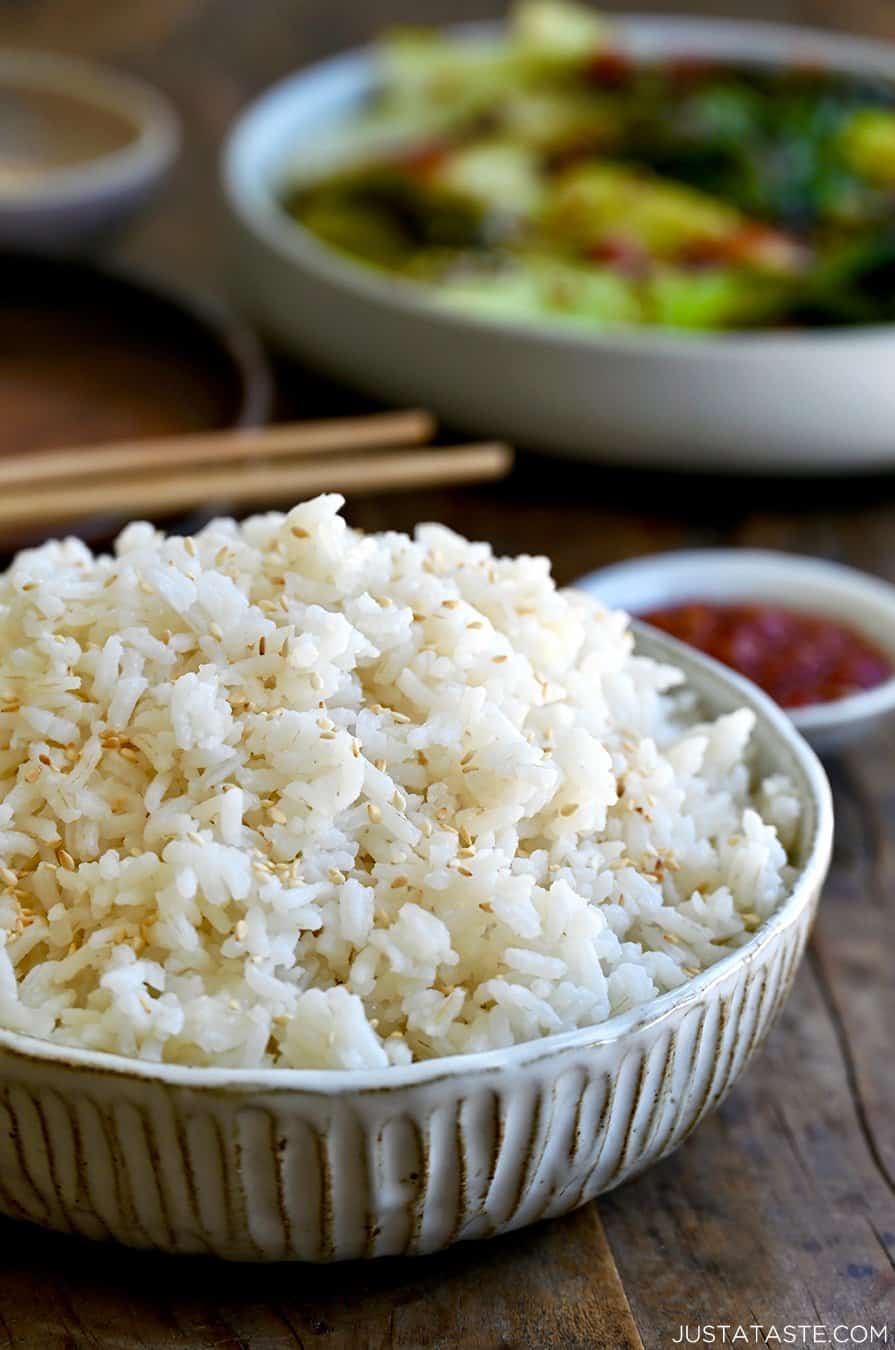
Master Creamy Coconut Rice: Your Foolproof Guide to Restaurant-Quality at Home
Imagine a dish that effortlessly bridges the gap between sweet and savory, a fragrant, fluffy, and subtly rich accompaniment that elevates any meal. We’re talking about homemade, restaurant-quality
coconut rice. Often celebrated in Asian and Indian cuisines, this versatile side dish is a true culinary chameleon, capable of complementing robust curries, delicate fish, or even transforming into a delightful dessert. While it might seem like a staple only found in your favorite takeout spot, achieving that perfect, creamy consistency and balanced flavor at home is surprisingly simple – and we're here to show you how.
Forget bland, sticky rice; this guide will unlock the secrets to a foolproof
coconut rice recipe that rivals the best, delivering a fluffy texture with just the right amount of sweetness and an irresistible aroma. Ready to transform your weeknight dinners and impress your guests? Let’s dive into the essential ingredients and a cooking method that promises perfection every time.
The Secret to Unforgettable Coconut Rice: Key Ingredients Explained
Like any great recipe, the magic of exquisite
coconut rice begins with choosing the right components. Each ingredient plays a crucial role in achieving that sought-after balance of flavor and texture.
Choosing Your Grains: Why Jasmine Reigns Supreme
The foundation of our perfect
coconut rice is, of course, the rice itself. While various long-grain varieties can work,
jasmine rice stands out as the undisputed champion for this particular dish. Its naturally fragrant aroma, slightly sticky texture when cooked, and elegant appearance make it the ideal choice. When combined with coconut milk, jasmine rice yields a beautifully tender, cohesive, yet distinct grain that holds its shape without becoming mushy. This specific characteristic is what contributes to the creamy, slightly sticky texture we aim for, making it distinct from a fully separate, fluffy pilaf.
The Heart of the Flavor: Mastering Coconut Milk Selection
This is arguably the most critical ingredient. For truly authentic and flavorful
coconut rice, you *must* use
canned, full-fat coconut milk. Here's why:
*
Fat Content: The higher fat content in canned coconut milk provides richness, creaminess, and a more pronounced coconut flavor.
*
Fragrance & Sweetness: It carries a natural sweetness and intense coconut aroma that watered-down carton versions simply cannot replicate.
*
Consistency: Carton coconut milk, often marketed as a dairy alternative, is typically much thinner and lacks the necessary body to imbue the rice with its signature creaminess.
Before opening your can, give it a good shake to homogenize the cream that may have separated and risen to the top. A pro tip for maximizing flavor and minimizing waste: use a portion of your cooking water (around 1/2 cup) to rinse out the empty can. This ensures you capture every last bit of delicious, flavorful coconut goodness, enriching your rice even further.
The Perfect Balance: Sweetness and Savory Notes
While coconut milk inherently possesses a subtle sweetness, a touch of additional sugar is key to amplifying this natural sweetness and creating the signature sweet-savory profile of
coconut rice. This isn't about making a dessert (though it *can* be adapted for one!); it’s about highlighting and enhancing the tropical notes of the coconut.
Equally important is a pinch of
kosher salt. Don't worry, it won't detract from the sweetness. Instead, salt acts as a flavor enhancer, balancing the sweetness and adding depth to the overall profile. It prevents the dish from tasting one-dimensional and brings out the subtle complexities of the coconut. Think of it as the secret ingredient that makes every bite truly satisfying. This careful interplay of sweet and savory is what makes
coconut rice incredibly versatile and allows it to pair beautifully with a wide array of dishes, as explored in our article,
Coconut Rice: The Versatile Side for Savory Mains & Sweet Treats.
Beyond the Basics: The Foolproof Method for Perfect Texture
Cooking
coconut rice isn't just about mixing ingredients; it's about employing a specific technique that differs from conventional rice cooking to achieve its unique creamy and fluffy texture.
The Integrated Boil: A Game Changer
Unlike traditional rice cooking, where water is typically brought to a boil *before* adding the rice, this recipe calls for a slightly different approach. Here, you'll combine the coconut milk, water, rice, sugar, and salt all together in the pot from the beginning. Then, you bring this mixture to a boil simultaneously.
This integrated boiling method is crucial for several reasons:
*
Even Flavor Distribution: By starting everything together, the rice grains have more time to absorb the rich coconut milk from the very beginning, leading to a deeper, more even coconut flavor throughout.
*
Optimal Absorption: The gentle, gradual heating allows the rice to fully absorb the fatty coconut milk, contributing to its luscious, creamy texture.
*
Preventing Sticking: It helps prevent the rice from clumping excessively at the bottom of the pot, ensuring a more consistent cook.
Replacing a significant portion of the typical cooking water with full-fat coconut milk is the fundamental trick here. This swap makes the rice richer, incredibly more flavorful, and gives it that delightful, slightly sticky quality that is so characteristic of authentic
coconut rice.
The Art of the Steam: Your 10-Minute Rule
The cooking doesn't stop when the liquid is absorbed and the heat is off. The most critical step for achieving perfectly fluffy, restaurant-quality
coconut rice is the post-cooking steam. Once the liquid has been fully absorbed and the rice is cooked through, turn off the heat but leave the pot *covered* for at least 10 minutes. Resist the urge to peek!
This "marinating" period in residual steam is a game-changer:
*
Uniform Cooking: It allows any remaining moisture to redistribute evenly, ensuring every single grain is perfectly cooked – not too hard, not too soft.
*
Fluffiness: The steam helps the grains plump up individually, preventing them from compacting into a dense, heavy mass.
*
Enhanced Texture: It gives the rice time to "set," resulting in that ideal fluffy yet slightly sticky texture that separates good coconut rice from truly great
coconut rice.
This simple 10-minute resting period is a non-negotiable step for unlocking the true potential of your homemade dish. For more insights on achieving that perfect texture quickly, you might find our article,
Fluffy Coconut Rice in 30 Minutes: Unlock Perfect Texture at Home, very helpful.
Elevate Your Plate: Serving Suggestions for Every Occasion
The beauty of
coconut rice lies in its incredible versatility. Its nuanced sweet-savory profile makes it an exceptional accompaniment to a vast array of dishes, suitable for both weeknight dinners and special occasions.
Savory Pairings: From Weeknight Dinners to Gourmet Feasts
Coconut rice truly shines when paired with saucy, flavorful main courses that benefit from a subtle, starchy counterpoint. Its mild sweetness and creamy texture provide a beautiful contrast and absorb rich gravies wonderfully.
Consider these delectable pairings:
*
One-Pan Coconut-Lime Chicken: This is a match made in heaven! The vibrant citrus and rich coconut notes of the chicken sauce spooned over fluffy
coconut rice create an explosion of flavor. Don't let a single drop of that leftover sauce go to waste.
*
Pineapple Baked Salmon: The delicate sweetness of the rice harmonizes perfectly with the fruity tang of pineapple and the richness of baked salmon, creating a balanced and light meal.
*
Sticky Soy Steak Skewers: For meat lovers, the savory, umami-rich flavor of glazed steak skewers finds an ideal partner in the gentle creaminess of coconut rice, making for a fantastic summer dinner.
*
Thai Curries (Red, Green, or Panang): A classic pairing! The coconut rice balances the spice and richness of authentic Thai curries, providing the perfect bed for soaking up all that aromatic sauce.
*
Indian Butter Chicken or Tandoori Chicken: The creamy, tomato-based sauces of Indian cuisine are beautifully complemented by the subtle sweetness of coconut rice, offering a comforting and flavorful experience.
*
Garlic Butter Shrimp or Chicken: Simple yet elegant, the richness of garlic butter sauces is perfectly grounded by the fluffy, flavorful rice.
Sweet Endings: Transforming Your Rice into a Delightful Dessert
While typically served as a savory side, with a few simple adjustments,
coconut rice can effortlessly pivot to a deliciously simple dessert. To lean into the sweeter side, you can slightly increase the amount of sugar during cooking.
Once cooked, elevate it further with these sweet additions:
*
Fresh Mango Slices: A timeless classic, especially when paired with sticky coconut rice, evoking the famous Thai mango sticky rice dessert.
*
Honey and Toasted Nuts: Drizzle with a generous amount of honey and sprinkle with toasted nuts (like cashews or almonds) for added texture and richness.
*
Toasted Coconut Flakes: A sprinkle of golden, toasted coconut flakes enhances the tropical flavor and adds a satisfying crunch.
*
Fresh Berries: A handful of fresh berries like raspberries or blueberries can add a refreshing tartness and vibrant color.
*
A Dollop of Yogurt or Ice Cream: For an extra indulgent treat, serve warm with a scoop of vanilla ice cream or a dollop of creamy Greek yogurt.
Expert Tips for Coconut Rice Perfection
Achieving consistently perfect
coconut rice is within reach with these additional tips and troubleshooting advice:
*
Rinse Your Rice Thoroughly: Before cooking, rinse your jasmine rice under cold running water until the water runs clear. This removes excess starch, which helps prevent the rice from becoming too sticky or gummy.
*
Don't Overstir: Once the rice, liquid, and seasonings are brought to a boil, give it a quick stir to combine, then avoid stirring it too much during the simmering phase. Excessive stirring can break the rice grains, leading to a mushy texture.
*
Use the Right Pot: A heavy-bottomed pot with a tight-fitting lid is essential. This ensures even heat distribution and traps steam effectively during the crucial resting period.
*
Adjust Sweetness to Taste: The specified sugar amount is a guideline. If you prefer a less sweet rice for savory dishes, reduce it slightly. For a dessert application, feel free to add a bit more.
*
Troubleshooting – Too Sticky/Mushy? This usually happens from too much liquid, not rinsing the rice, or over-stirring. Ensure you measure precisely and resist the urge to peek during steaming.
*
Troubleshooting – Too Dry/Under-cooked? This could be due to not enough liquid, simmering at too high a heat, or not allowing enough steaming time. Next time, ensure your lid is tight and consider a slightly longer steam.
*
Garnish for Impact: A simple sprinkle of sesame seeds (white or black), finely chopped fresh cilantro, or a few toasted coconut flakes can add visual appeal and an extra layer of flavor.
To store any leftovers, allow the
coconut rice to cool completely before transferring it to an airtight container. It will keep beautifully in the refrigerator for up to 5 days, ready to be reheated gently on the stovetop with a splash of water or in the microwave.
Conclusion
Mastering
coconut rice is a rewarding culinary endeavor that brings the flavors of your favorite restaurants right into your kitchen. By understanding the critical role of each ingredient, particularly full-fat canned coconut milk and jasmine rice, and by following the unique cooking method that emphasizes an integrated boil and crucial steaming time, you can consistently achieve that creamy, fluffy, and perfectly balanced texture. Whether serving it as a delightful side to a vibrant curry or transforming it into a sweet treat, this foolproof recipe ensures restaurant-quality results every single time. So, go ahead, embrace the fragrant allure of homemade
coconut rice and elevate your meals from ordinary to extraordinary with this versatile and deeply satisfying dish.